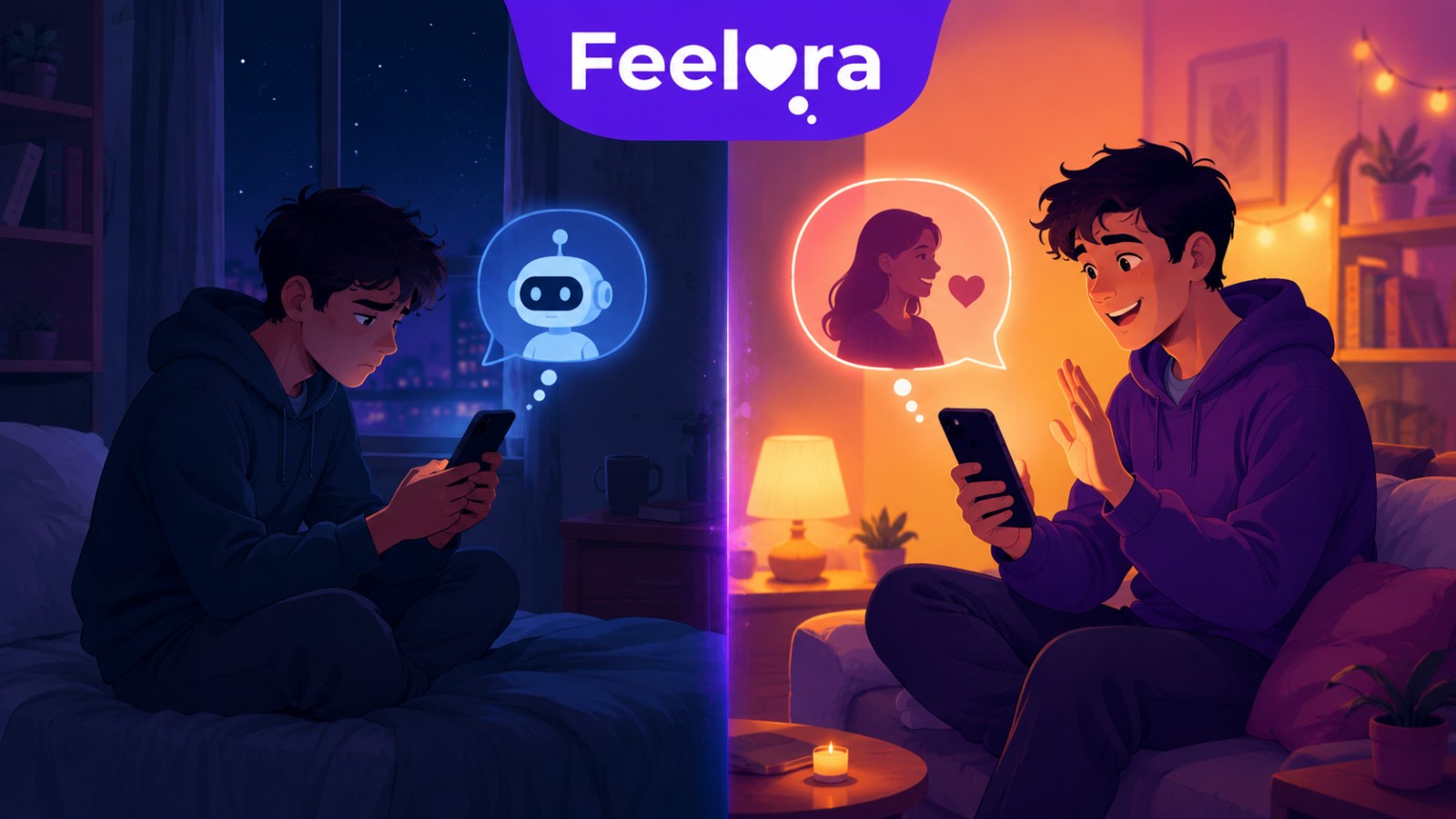
Feeling like you have no one to talk to? Here's why it happens and practical, judgment-free ways to find real support, connection, and relief today.
At 2 a.m., staring at a phone full of contacts you can't actually call, it's easy to feel like you're the only person in the world carrying what you're carrying. "I have no one to talk to" is one of the most common thoughts people search for online, and if you're feeling it right now, you're far from alone in feeling alone.
Why It Feels Like You Have No One to Talk To
This feeling rarely means you truly have zero people around you. More often, it means the people around you don't feel safe, available, or capable of holding what you need to say. Busy schedules, fear of judgment, past experiences of being dismissed, or simply not wanting to "burden" friends and family can all make real conversations feel impossible, even in a room full of people.
The Hidden Cost of Staying Silent
Bottling up emotions doesn't make them disappear, it just changes where they show up. Unspoken stress often resurfaces as irritability, trouble sleeping, a racing mind, or a persistent low mood. Research on emotional suppression consistently links keeping feelings inside to higher stress levels and weaker overall wellbeing. Talking things through, even briefly, helps the brain process difficult emotions instead of looping on them.
7 Ways to Find Someone to Talk To Right Now
- Name the feeling first. Simply telling yourself "I feel lonely and overwhelmed" instead of avoiding the thought reduces its intensity and makes it easier to explain to someone else.
- Start smaller than you think you need to. You don't have to share your whole story at once. A short text like "today's been hard" can open a door without feeling overwhelming.
- Reconsider weak ties. A former classmate, a neighbour, or a coworker you rarely talk to can sometimes listen more freely than close family, precisely because there's less history involved.
- Try a support helpline or community group if you're in distress and want a trained, listening ear rather than advice.
- Write it down first. Journaling for even five minutes before a conversation can help you find the words when talking to someone in person.
- Use an anonymous listening platform if judgment or privacy is the biggest barrier. Sometimes it's easier to open up to someone who doesn't know your family, your job, or your history.
- Consider a therapist or counsellor if the feeling of having no one to talk to has lasted weeks rather than days.
How Anonymous Listening Platforms Like Feelora Help
Not every difficult moment needs a diagnosis or a big commitment, sometimes it just needs a person who will listen without judging. Feelora connects you with real, verified listeners for private, anonymous conversations whenever you need to talk, no waiting rooms, no explaining your history from scratch, and no fear of it getting back to anyone you know. For many people, this middle ground between keeping it to themselves and seeing a therapist is exactly what makes reaching out feel possible again.
When It's Time to Seek Professional Support
Talking to a friend, a listener, or a community can help with everyday stress, loneliness, and overwhelm. But if you're experiencing ongoing hopelessness, thoughts of self-harm, or symptoms that interfere with daily life, please reach out to a licensed mental health professional or a crisis helpline in your area. You deserve support that matches the size of what you're carrying.
Final Thoughts
Feeling like you have no one to talk to is a signal, not a life sentence. It usually means you need a different kind of connection, not that connection is impossible. Whether that's one honest text to an old friend or a private conversation with an anonymous listener, taking one small step is often enough to feel less alone by tonight.
Frequently Asked Questions
Feelora Team
Contributing Author
Need Someone to Talk To?
Connect with verified listeners on Feelora for anonymous, judgment-free emotional support.
Get Started