The moment someone gets close enough to really matter, something pulls back. Artho from Feelora on the psychology behind emotional self-sabotage — and why it makes more sense than it seems.
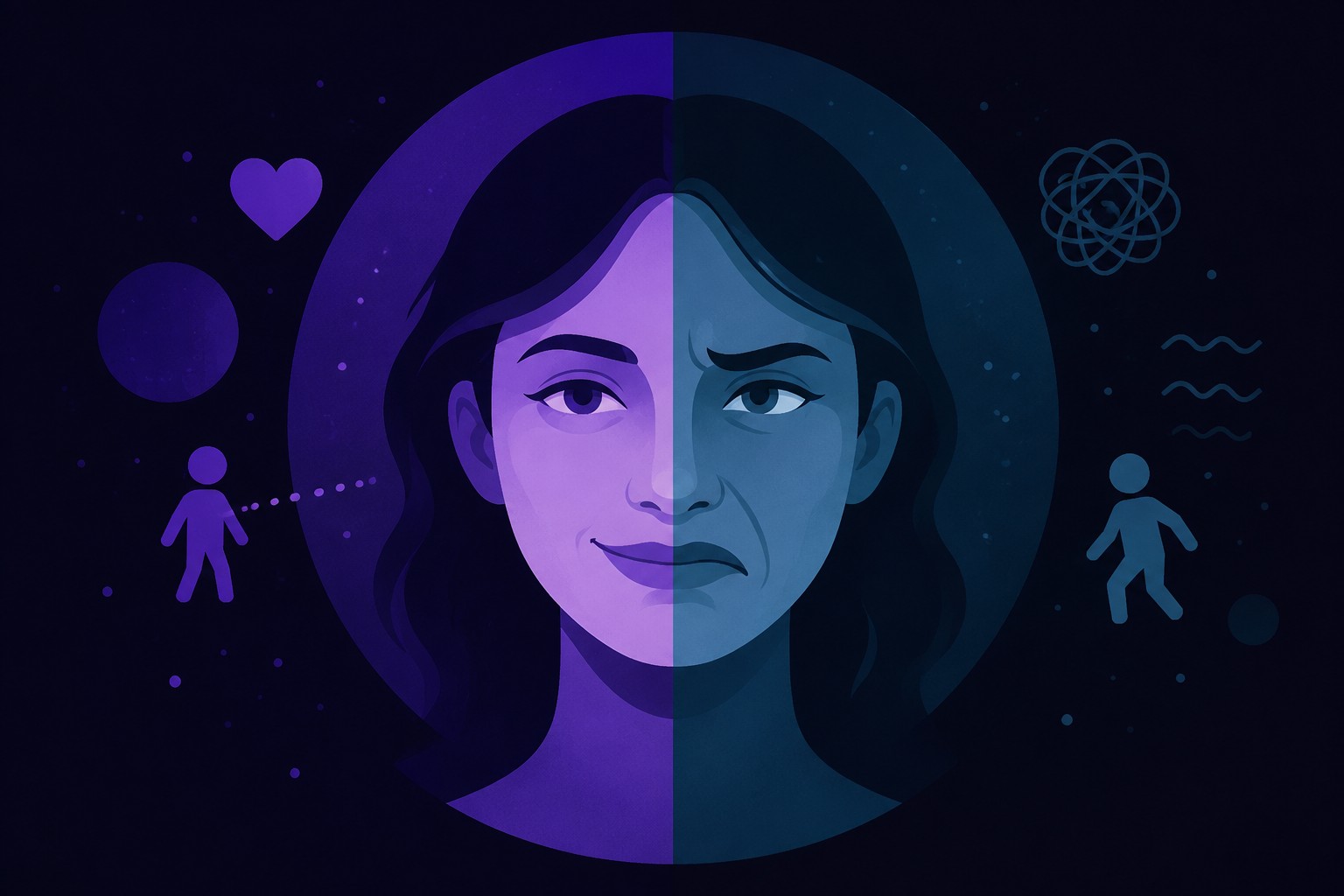
There is a strange thing that happens for some people: the moment a connection feels genuine and important, something pulls back. The conversation gets shorter. The replies get later. Distance appears from nowhere, disguised as busyness or needing space.
From the outside it looks like sabotage. From the inside it feels almost involuntary — like a reflex that activates before the thinking brain has a chance to intervene. Artho from the Feelora team has worked with people carrying this pattern for years, often without understanding why closeness triggers withdrawal rather than comfort.
Why closeness feels threatening
Emotional closeness requires vulnerability — allowing someone to see you, know you, and matter to you. For people who have been hurt in close relationships — abandoned, criticised, or let down by people they depended on — closeness carries a specific threat: the closer someone gets, the more power they have to hurt you.
Pulling away is a preemptive move. The logic is unconscious and completely understandable: if I do not let anyone close enough to matter, I cannot be devastated when they leave. The problem is that this protection also prevents the connection it is trying to protect.
The avoidant attachment pattern
What is often happening is an avoidant attachment style — developed in response to early experiences where emotional closeness was painful, unpredictable, or unreciprocated. Adults with avoidant attachment can crave connection deeply while finding it almost impossible to sustain proximity without activating withdrawal.
The pattern is not about not caring. People who push others away often care intensely — which is precisely why the closeness is frightening. It is not a character flaw. It is a learned strategy that once made sense and now does not serve the life the person actually wants.
The push-pull dynamic
One of the most painful manifestations is the push-pull cycle. The person pulls away. The other person reacts — with hurt, withdrawal, or pursuit. The pursuit paradoxically reduces the anxiety: now the connection feels safe again, and the original person re-engages. Until closeness builds again, and the cycle repeats. Both people end up exhausted and confused.
What actually helps
The most important first step is recognising the pattern — particularly the moment of activation. When does the pull to withdraw arrive? What does the closeness feel like immediately before it? Getting specific allows for a pause between the feeling and the behaviour.
At Feelora, Artho and the team work with people carrying this pattern — because wanting connection and avoiding it simultaneously is one of the more quietly painful places to be.
Frequently Asked Questions
Feelora Team
Contributing Author
Need Someone to Talk To?
Connect with verified listeners on Feelora for anonymous, judgment-free emotional support.
Get Started